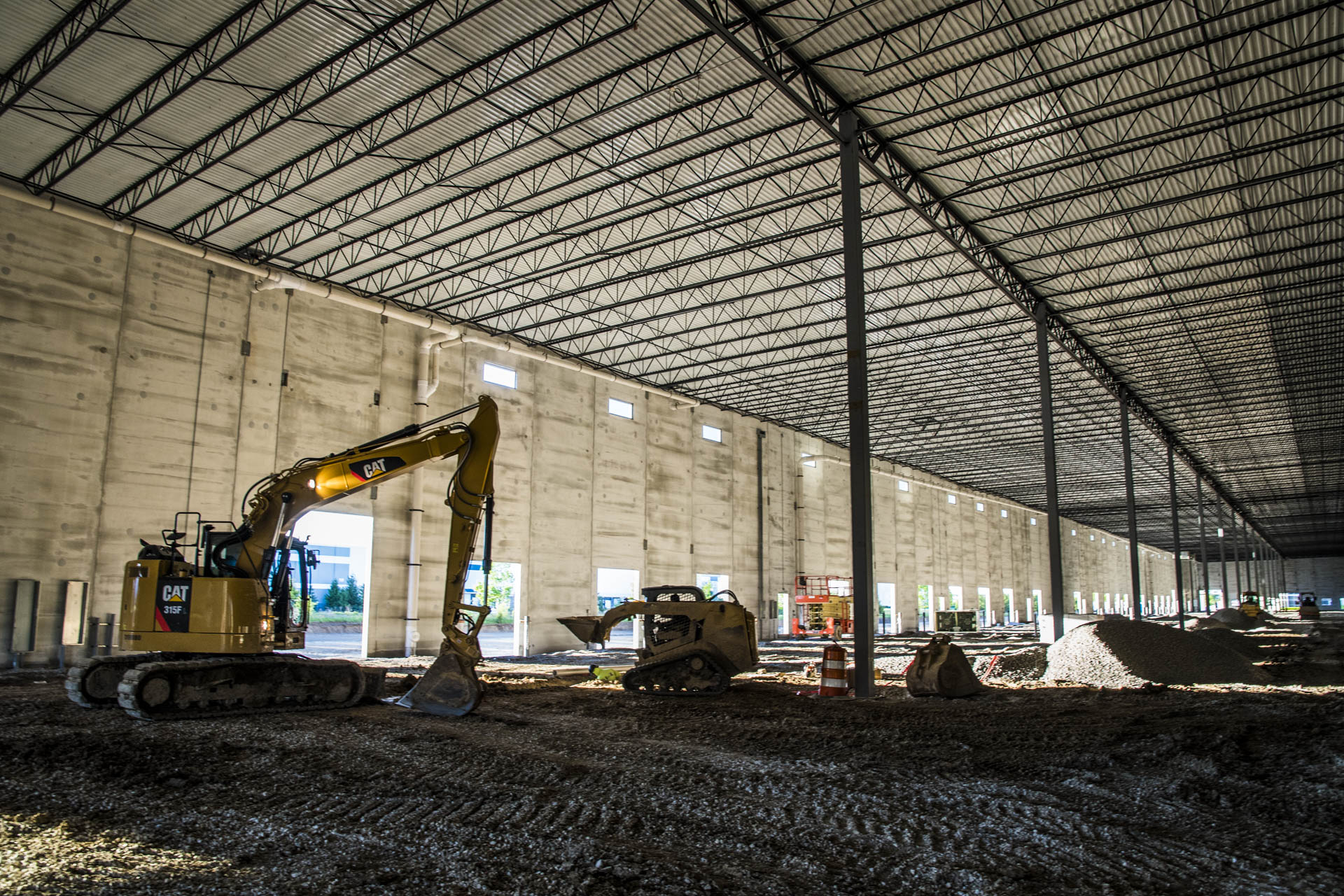
Electric vehicles aren’t just changing cars. They’re changing how industrial real estate gets built, where it goes, and what it even looks like. And a lot of developers still haven’t caught up.
The Scale of the EV Shift
Take Ford’s BlueOval City in Tennessee. It covers about 3,600 acres. That’s not a factory, that’s a small city built for making cars and batteries. Everything sits in one place, assembly lines, battery production, suppliers, all tied together.
And that kind of scale isn’t rare anymore. It’s becoming the expectation.
Across Southeast Asia, Central Europe, and North America, companies are locking in massive sites for EV production. CATL, Volkswagen, Hyundai, they’re all pouring billions into facilities that need serious land and even more serious infrastructure. Ten years ago, this would’ve sounded unrealistic. Now it’s just how things are done.
Why EV Needs Purpose-Built Facilities
Here’s where it gets tricky. You can’t just take a regular warehouse and drop EV production into it. It doesn’t work.
Power is the first problem. A single battery plant can need over 200 megawatts. Most industrial buildings aren’t even close to that. Not even in the same conversation.
And it doesn’t stop there.
Battery production needs clean-room conditions. Assembly lines need floors that can handle extreme weight. There’s chemical storage, temperature control, airflow management. Every detail matters. Even the layout. If materials don’t move in the right order, costs shoot up fast.
So yeah, these aren’t generic buildings. They’re built from scratch, for a very specific purpose. That’s why build-to-suit isn’t optional here, it’s the only way this works.
Challenges for Developers
A lot of developers think this is just about building bigger. It’s not. It’s about building smarter and faster at the same time.
EV companies move fast. They want facilities ready in two to three years. But here’s the catch, the specs can change halfway through because battery tech keeps evolving.
And then there’s the grid.
This is where projects fall apart. Getting enough power to a site can take longer than building the facility itself. Some developers figure this out too late. They sign the deal, then start talking to utility providers. That’s backwards.
You need those relationships early. Before anything gets signed.
Flexibility matters too. If a building can’t adapt to new battery formats later, it’s already outdated. And nobody wants to sink billions into something that won’t last.
Long-Term Market Impact
This isn’t slowing down anytime soon.
BlueOval City is just one project. There are dozens more in progress. Europe is pushing hard with incentives. South Korea is building out its battery network. India is ramping up fast.
So demand for these kinds of industrial spaces is only going one way. Up.
And here’s the reality. Developers who treat EV tenants like regular warehouse tenants are going to lose. Every time. The requirements are too specific. The timelines are too tight. And the margin for error is basically zero.
Key Takeaways
This shift feels a lot like what happened with e-commerce logistics. Big demand, fast growth, new types of buildings.
But EV is harder. Way harder.
These facilities are expensive, complex, and not easy to repurpose. But if you get one right, the payoff is huge.
So the choice is simple. Learn what EV manufacturing actually needs, or get left behind while someone else builds it.